Article written for Agerpres by Corneliu Bodea, CEO of Adrem and President of CRE
Two competing events compete for primacy during this period, each in a bellicose style, typical of these lands, full of assumptions and unprofessional comments.
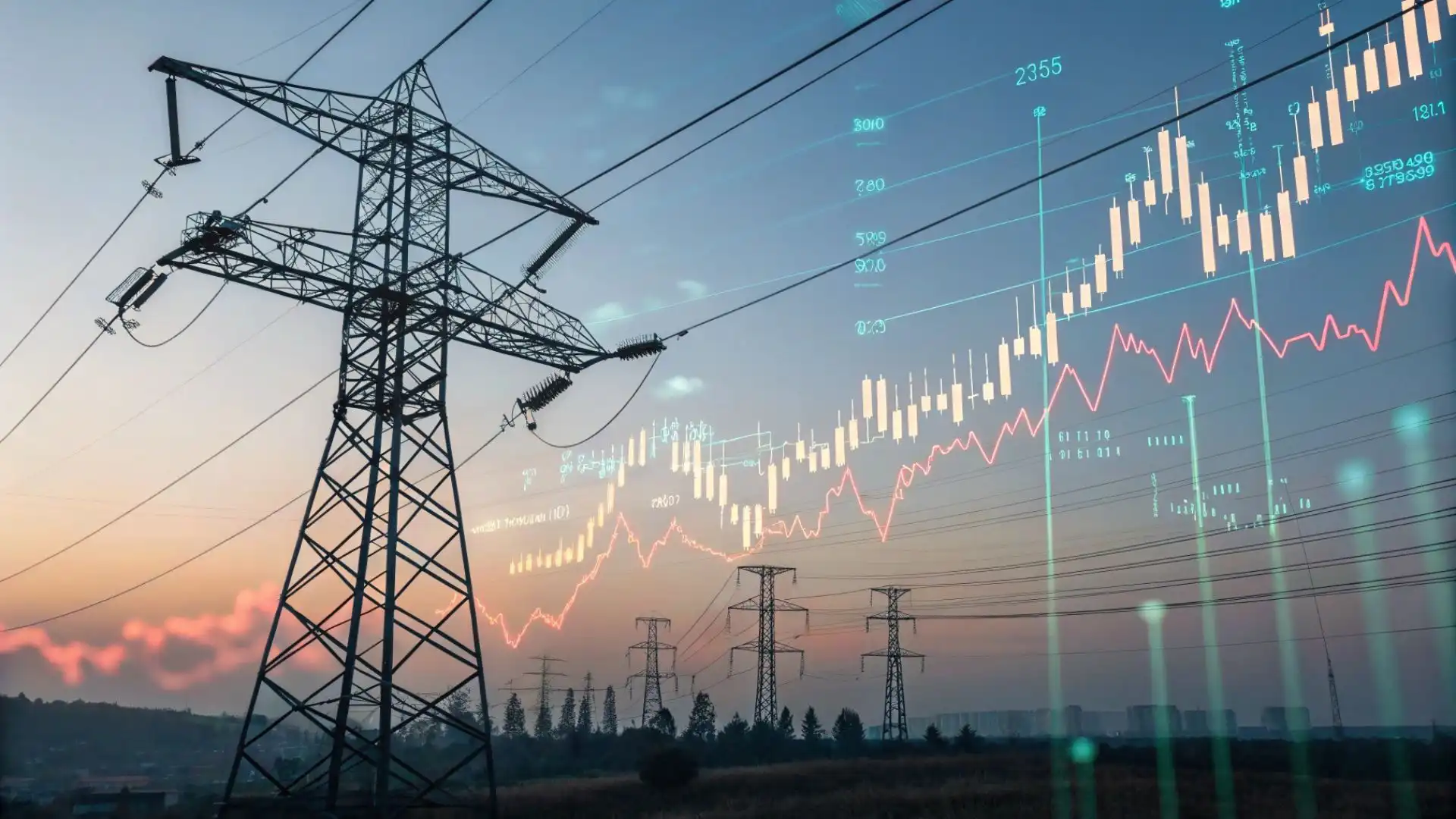
We are talking about, you guessed it, the political crisis and the increase in energy prices. At the same time, the effects of political mistakes, each with its minimally objective and predominantly subjective component, animate the post-factum spirits and concentrate efforts on administering palliatives without any concrete effect in the treatment of the causes. I will continue to refer to energy prices, politics being far from both my soul and my competences.
If we define that price is a market element that represents the cost of a commodity to which other components are added, which in the end go through the ruthless struggle with the competition to determine their final measure, value is defined as the measure of the same object, service, seen from the consumer, the use value. Bodea specified this in order to make an important distinction that helps us understand that the price of this product has to increase much more than we are prepared to accept.
“The value (in the sense given by us here) that energy has in our lives today is difficult to estimate. Anything we could touch as an object around us, or think as a service, is based on the need for energy. Philosophically speaking, we should not be surprised by this given that the Universe itself exists by mysteriously trading the same energy. Our security, comfort, and existence in the world we have drawn for ourselves are based on this fundamental element that is not created or destroyed, but only transformed, as Feynman teaches us. With apologies for this superficial and unauthorized foray into metaphysics, I think it is now quite clear to us that, in terms of its value, energy can offer us great surprises in the future in terms of its price.”
He said in previous articles that the reason why we got here, that is, when we found out that the way we understood to exploit the planet’s energy resources is not sustainable and leads us to affect the planetary climate, is mainly represented by the fact that when we built the price of energy, we ignored the cost of the resource itself (generally fossils), evaluating it on the basis of the costs of exploitation, without taking into account its intrinsic value. Of course, this fact made possible the fulminant development of society since the end of the nineteenth century. Perhaps there was no other intelligent solution, but now we have to pay the loan.
“I dare to say that the decade we are living in will certainly be the decade of the energy transition, the decade of painful tension for the transformation of the way we have become accustomed to relating to energy. Unfortunately, it is not an assumed tension and that is why I called it painful. The steep increase in energy prices is a method of putting this transition at everyone’s expense and its unpleasant effects will manifest themselves in everyone’s budget, in the decrease in economic dynamics, in the need to increase responsibility in the use of this resource. The challenge of the transition is not of an economic or technological nature, but of a political nature. Under the pressure of rising energy prices, but also of all the products that depend on it, through pressure on the economy and the generation of unemployment, the governments of the world will have to find political solutions to engage people in this joint effort. The need for leadership is thus greater than ever after the two great wars,” the expert continued.
He does not believe that this road will be smooth or straight at all.
“I am convinced that there will be bottlenecks, criticisms and many detours. Unfortunately, as all the reports show, climate change and its effects will be a sufficient incentive to return and complete this transition.
I also do not believe that the transition to an environmentally responsible economy will take place in the next ten years, but I believe that they are decisive for the major objectives to be achieved after 2050,” Bodea said.
Read the full article on agerpres.ro