Today, energy is more than a necessity. It has become a precious, primary resource that has made our lives much easier, providing us with mental and physical comfort, and without which modern life would not exist. Because technology has advanced so much for the benefit of people and consumerism has increased, our planet is suffering, and many resources are close to exhaustion. Therefore, in order to help the planet and maintain the lifestyle we are used to, it is important to make intelligent use of all the resources we have at our disposal, especially energy, through efficient consumption, which is both for our benefit and for the benefit of the planet we live on.
What does smart energy consumption mean?
Smart energy consumption primarily involves the installation of intelligent electricity metering systems, both for household and industrial consumers, which measure consumption in real time, ensure secure bidirectional transmission of information between customer and distributor, provide alarm signals in case of failure to the central system, using forms of electronic communication, which helps to manage any problems faster. These systems include smart meters, information transmission subsystems and meter information management subsystems.
The 6 advantages of smart energy consumption
Using a smart meter means a lot for energy efficiency and cost reduction, and it comes with a number of benefits.
- You can control and monitor your consumption and have the chance to reduce it where possible.
- The index is transmitted automatically and in real time, thus eliminating estimation invoices.
- The risks of overvoltages are reduced, and breakdowns can be solved faster.
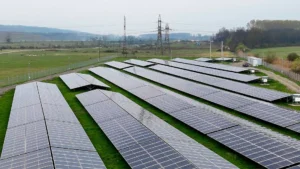
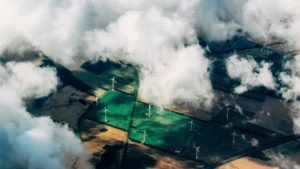
- Those who are prosumers can separately measure energy produced from renewable sources such as photovoltaic panels or wind turbines.
- Even if you have such systems in your home that help you measure and adjust consumption, you must also take into account efficient energy consumption, in order to reduce waste and costs at the same time.
- Energy efficiency means the ways in which we can reduce consumption without giving up the comfort we have become accustomed to and making major sacrifices.
Thus, in addition to installing smart energy metering systems, here are some tips that would help you be responsible and efficient, consume little energy and help protect the environment.
How to reduce energy consumption?
Swap out all your incandescent bulbs for energy-efficient, fluorescent or LED bulbs that consume five times less energy (e.g. replacing a single 60W bulb with an energy-efficient 18W bulb that runs for 10 hours a day can easily save about $1 or more each month. Multiply this by a whole year and hundreds (if not thousands) of bulbs in your home/office buildings/factories/ and see the result. Facts: Did you know that 15% of the electricity bill represents the consumption made by lighting with classic bulbs? Recycle the classic light bulbs that you have changed by offering them to specialized companies or leaving them in specially arranged places.
- Use as much natural light as possible and turn on the bulbs only when needed, both at home and at work.
- Before leaving the house or work, do not forget to turn off all the light bulbs, specifying this to family members or colleagues.
- Install a motion sensor outside the house, in high-traffic areas of buildings, factories, which turns on the light only when it detects motion. Facts: you can save almost 20% of the energy bill of your house/building or factory. Analyze how much appliances, electronics, industrial machines, etc. consume and replace them, if necessary, with higher energy class ones (A, A+, A++).
- Install solar or LED street lighting systems.
- Household appliances are marked with the EU unit energy label. “A” means that the appliance has a low energy consumption, and class “G” represents a very high energy consumption. Electronics also consume electricity in stand-by mode (the light on means that the appliance continues to consume electricity). Unplug appliances that consume electricity if they are not used for a longer period of time, to avoid consumption in stand-by. You can use programmable sockets or extension cords with a switch for easy disconnection of appliances that have the stand-by function. Facts: Your TV, computer or any other electronic appliance left on stand-by consumes between 40% and 70% of the energy it would consume if it were turned on.
- Only use the washing machine when enough clothes have been collected. A washing machine reduces its electricity consumption by a third if you use a washing programme at 40°C instead of 60°
- Avoid using the tumble dryer as much as possible – a drying cycle can use twice as much energy as a wash cycle.
- Install programmable thermostats and use them smartly. A programmable thermostat gives you the power to automatically adjust the temperature at work and home when no one is around. Set the temperature 30 minutes before you arrive at the office/home and off before you leave 30/60 minutes.
Also, if you want to build a home/office building, you should know that today, buildings considered energy efficient consume 75% less energy than a regular house or office, saving considerable amounts of money. Remember that it is much easier to take into account the low energy consumption factor from the beginning of the construction of a house.