Few businesses started in the 90s have stood the test of time and have remained functional or in the hands of their founders. But what is the secret of a business’s resilience in an entrepreneurial environment that has changed frequently over the past three decades?
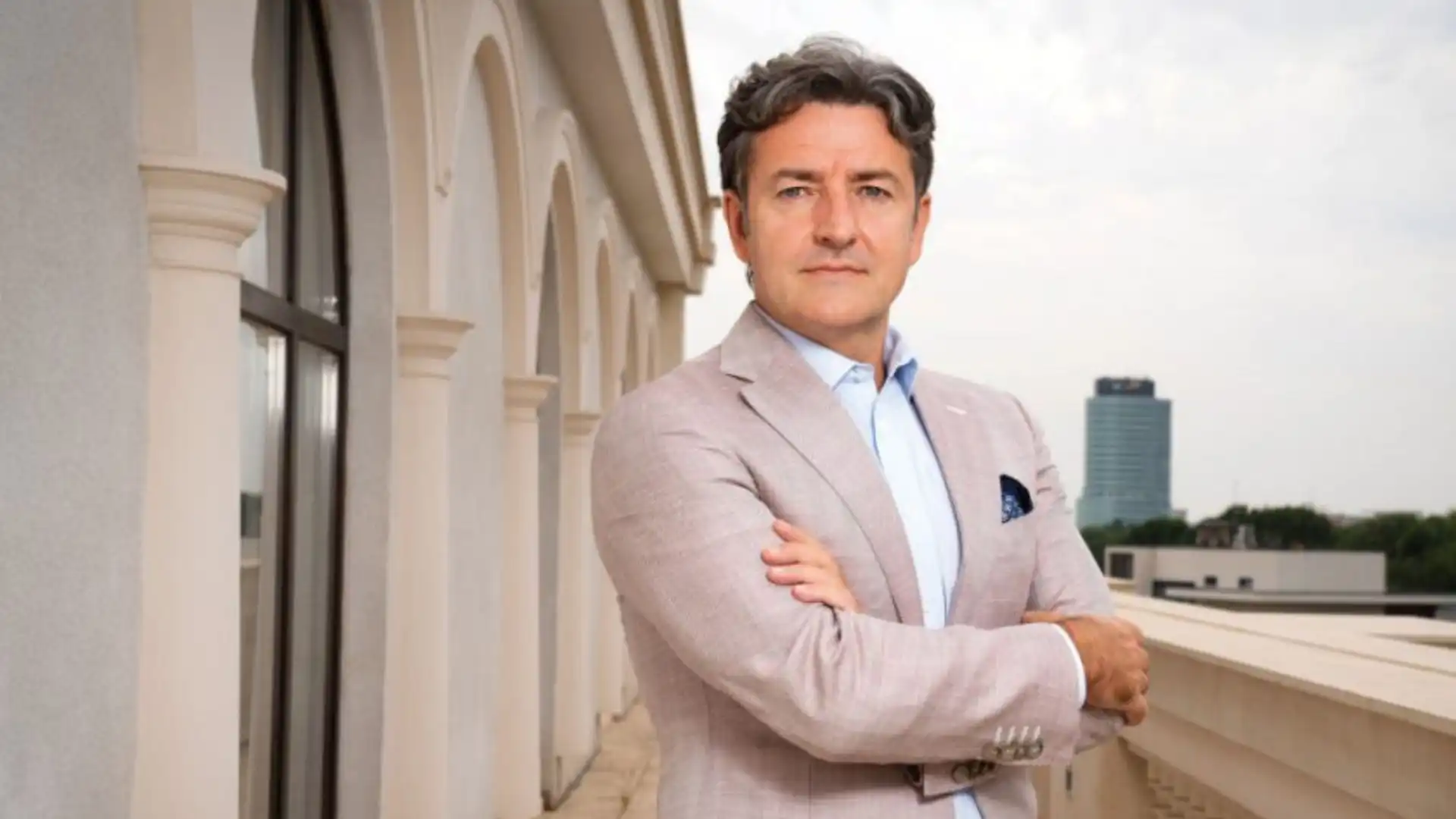
“I can’t wait to turn 30, because, from the statistics I know, globally speaking, 30 years is the average lifespan of an entrepreneurial business,” says Corneliu Bodea (51), co-founder and chief executive officer (CEO) of Adrem, a group specialized in the development, design and production of energy efficiency solutions. He admits that in Romania the average lifespan of a business is only seven years, but he likes to relate to the international entrepreneurial environment. Especially since his goals are to increase the lifespan of a local business.
On-the-fly adjustments
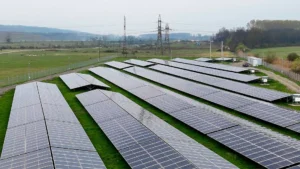
Founded in 1992 by brothers Adrian and Corneliu Bodea, the group has under its umbrella several companies that offer services for energy infrastructure or large projects for the automation of electricity and natural gas networks. Last but not least, one of the companies in the group aims at renewable energy and energy efficiency activities. “We currently offer services for all electricity distributors, CEZ, EON, Enel and Electrica,” says Corneliu Bodea.
With a team of 1,500 employees, the group was forced, with the establishment of the state of emergency, to reduce its activity and send 700 employees to technical unemployment. However, it was a temporary situation, and Bodea says that he resumed the entire activity and returned with all the active personnel in the field after only two months.
As for office staff, most of them still work from home. “Now, at the office we are with 20% of the staff,” details the entrepreneur, explaining that he has taken all these measures so as not to expose his staff to the risk of getting sick with the new coronavirus. He is aware that the crisis period is far from over and believes that this problem can be overcome if it is “treated with respect”.
Working from home
Corneliu Bodea says that the pandemic will greatly change people’s behavior and consumption habits. And he already sees these changes, including in his company. “We also have some rules in this regard. All meetings of more than two or three people are done online,” adds the entrepreneur. He doesn’t meet his partners physically either. He says that until this health crisis, he used to travel to talk in person with business partners. Now he has given up this practice.
The Adrem Group also has a line of business related to the metallurgical industry, and 90% of this activity is represented by exports. But travel is also stopped during this period. He admits that he does not feel very comfortable with working from home because his generation is taught to make many of the decisions with “pencil on paper” and after physical meetings with partners. “My generation may regret the moments when conferences were made face to face,” adds Corneliu Bodea.
However, he says that working from home has also brought positive things, both for the communities and for the social life of the employees. As for the community, he says that the decrease in pollution and congestion is visible. “I’m sure that people will find ways to socialize from home that are perhaps better than those at the office,” says the entrepreneur. He generally believes that employees will have more time for their families and will learn to combine professional and social goals.
Personally, Corneliu Bodea believes that the situation we are going through is not well managed. He says that, at the international level, most governments have not correlated the measures, so that certain procedures are applied the same everywhere, which has led to quite large increases in the infection rate in certain areas. Moreover, he has not noticed coordination even at the level of the European Union.
Plans made in advance
Even if the business was affected by the health crisis, Bodea says that the company has not lost in terms of profitability. Last year, the company had a turnover of about 180 million lei (37.89 million euros) on the line that operates in the energy area and almost 5 million euros for the specialized one on the metallurgy side. Corneliu Bodea says that, in the first half of this year, the company’s revenues visibly decreased, but profitability was higher than in the first six months of last year. What is the explanation?
“We had been in a restructuring and reorganization program at the cost level for more than two years,” the entrepreneur indicates. With the onset of the blockage, the company’s management took quick measures to reduce costs, anticipating an atypical situation since the beginning of the year. However, he admits that he also benefited from state aid for the period of technical unemployment. “It was the most effective aid that the state has given in this pandemic,” adds the entrepreneur.
Corneliu Bodea does not expect a quick rearrangement of things and believes that the second half of the year will also be quite difficult for the economy. He gives the example of his company’s activity and says that most of Adrem’s customers have also been hit by the health crisis, which leads him to anticipate a contraction for the coming period. Many will be much more restrictive with operational expenses, which will also be seen in terms of signing new contracts.
“I am very reserved and very careful. At the same time, I believe that a substantial economic crisis is coming,” says Corneliu Bodea, specifying that he intuited since the beginning of the year that a health crisis will bring with it both an economic crisis and a “social disturbance”. And he gives as an example the street movements in the United States and Western Europe.
He says he is worried about the deflation announced by the European Central Bank. “Deflation is the first sign of crisis. It’s a consumption crisis,” the entrepreneur points out, explaining that the current crisis is totally different from the one in 2008-2009, which was a financial one, with “the top of the economy” being hit. This time, the blow is received directly in consumption, says Corneliu Bodea. In his opinion, this type of crisis could last around five years, with a peak in 2021-2022.
Read the rest of the article on www.newmoney.ro