Article published on www.ziarulfinanciar.ro and ZF Corporate
The digitization of local infrastructure is the starting point for the energy transition, and the works that will be necessary along with this process will be a business opportunity for entrepreneurs in the field.
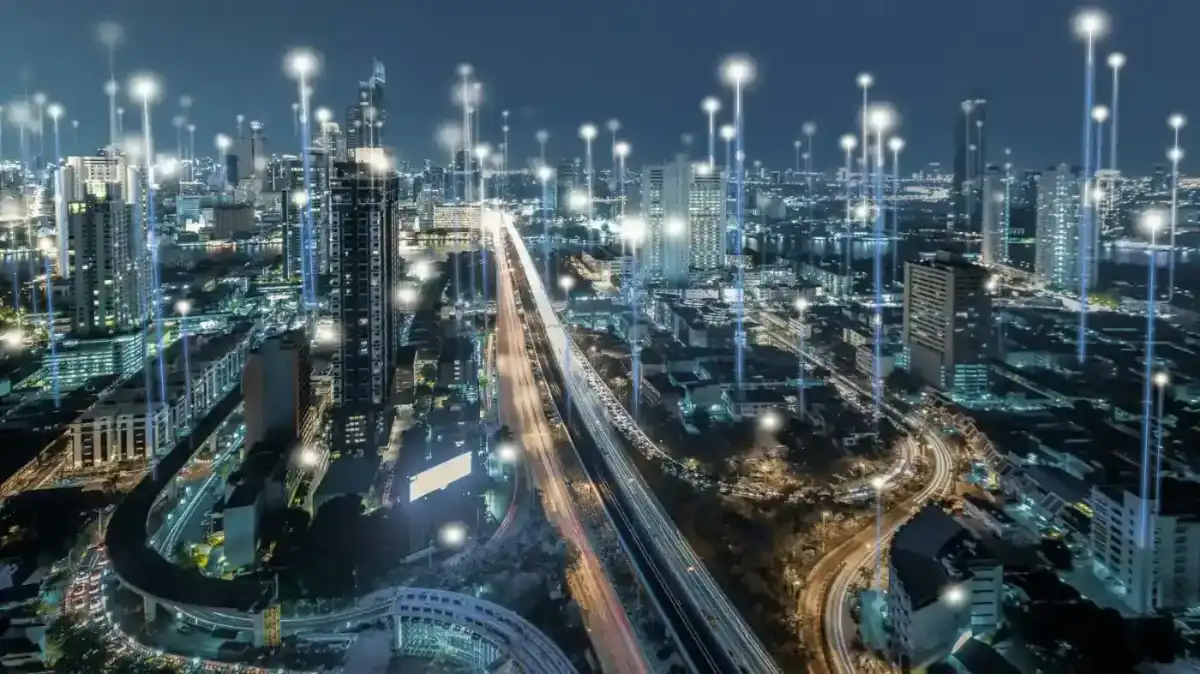
“Demand-response, for example, is a solution that makes the energy system more flexible, but which needs a smart infrastructure. We cannot talk about a smart infrastructure when out of 8 million consumers, only 2 million have smart meters in Romania,” said Corneliu Bodea, CEO of Andrem, during the tenth edition of the ZF Power Summit.
Demand-response systems, already widely applied at European level, require certain large energy consumers to make themselves available to the national energy dispatcher to go out or start operating based on the requirements of the system.
Thus, demand-response solutions are seen by many market specialists as an opportunity to integrate green energy projects, with a variable character. And as the energy transition means for Romania the transition from polluting resources, such as coal, to the green energy area, demand-response systems could be one of the solutions to accommodate these new projects.
Gas-fired power plants, as an intermediate fuel, but also investments in the national transmission system are other solutions for the entry of green energy into the market.
“The production, transmission and distribution model, the energy consumption model, all need to be reanalyzed. We need clean energy production, which means flexible networks, that is, investments in what we call smart grids. We need consumption adapted to these networks,” Bodea said. The Adrem Group is active in the energy solutions and industrial automation market, with 1,500 employees and a business of about 45 million euros.
Read more on ZF Corporate