The Adrem Group, which offers solutions and services dedicated to the energy field, celebrates 30 years of innovation and investment in projects that shape the future. Corneliu Bodea, CEO of Adrem and President of the Romanian Energy Center (CRE), summarizes what has happened so far and speaks, in the interview with Biz, about how Romania’s energy future is being prepared.
How is the Adrem Group divided and how do companies support each other for a unitary development?
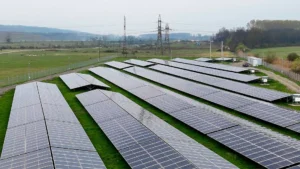
The Adrem Group is structured to achieve the three major objectives of the fight against climate change: decarbonization, decentralization of energy production and digitalization of industry. Adrem Link is in charge of green energy and energy efficiency projects, Adrem Invest is in charge of the management of metering groups, smart metering, maintenance of energy infrastructure and operation of distribution networks, and Adrem Engineering is responsible for the digitization of energy infrastructure.
Each company is specialized in its market segment, but it operates in the same direction. For a unitary development, we emphasize values, passion and ambition: the elements that unite us. I like to think that we are like a family in which each member is an entrepreneur and makes their valuable and unique contribution to everything we implement together.
What were the most challenging projects you were involved in?
Those of energy efficiency, use of renewable resources, as well as strategic projects of national energy security, are some of the projects that have brought great challenges, but also satisfactions to match. I will mention here the BRUA gas pipeline (Bulgaria-Romania-Hungary-Austria corridor), the DN600 Ungheni – Chisinau natural gas transmission pipeline and the automation of the new natural gas metering station in Isaccea, designed so that it can carry out the commercial measurement of gas conveyed in both directions of gas flow from north to south, respectively from Ukraine to Romania and vice versa.
I also see e-mobility projects as an opportunity, as electric mobility is a larger, far-reaching and relevant process in the context of decarbonization, which we aim to support.
What have been the main investments in recent years?
We continuously invest in human resources and equipment. The most recent investment was the implementation of an application that is used by around 150 field measurement electricians and we are going to expand the number of users as soon as possible. The solution allows planning, managing, tracking and optimizing the on-site activity of field workers.
What role does digitalization play in the success so far and in future plans?
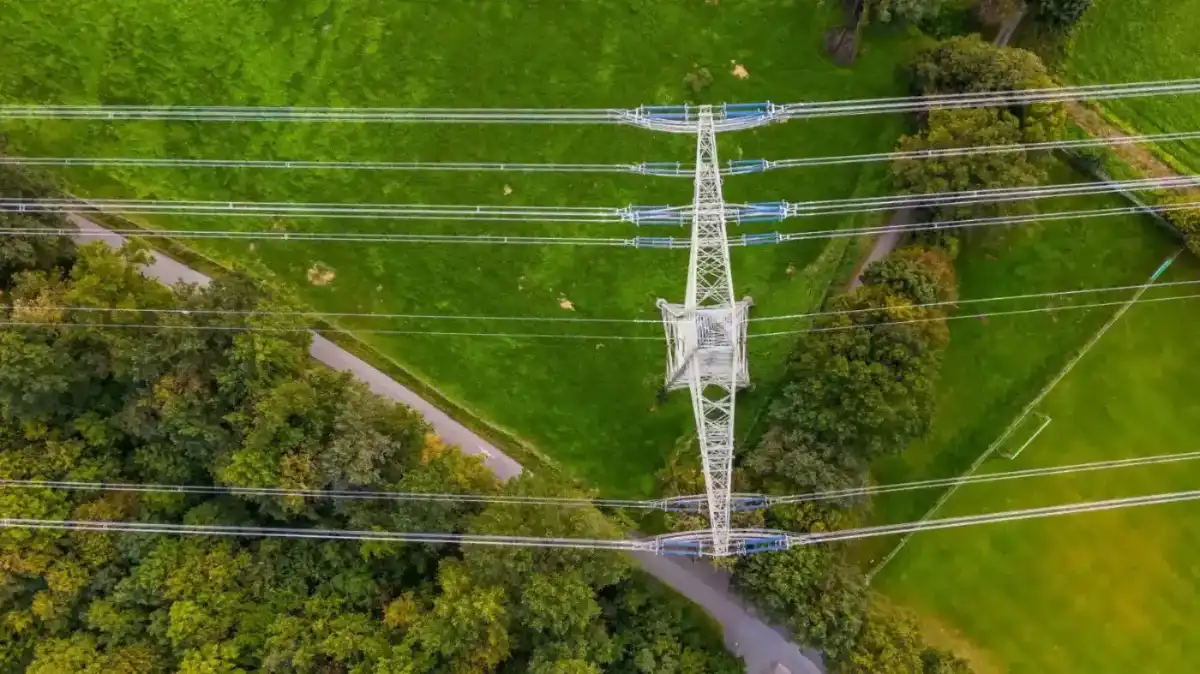
The digitization of local infrastructure is the starting point for the energy transition, and in our 30 years of experience, at Adrem we have developed a package of products and services dedicated to the development of smart grids – smart metering, SCADA solutions, geographical information system, asset management, demand response and others.
Currently, we are the most experienced installer of smart meters in Romania, with over 1,000,000 smart meters in our portfolio, and one of the largest providers of automation solutions. Next, we aim to strengthen our position on the market and accelerate the process of digitization of the networks, which would come with a series of major benefits for the entire energy system.
How do you see the energy crisis and what are the preparations that the group is making for a sustainable future?
Although we are going through a crisis at the moment, I am extremely optimistic about the future of the energy market because I believe that this crisis will help us to make some decisions that we were delaying. The real challenge that humanity has today is the fight against climate change, which must be supported by a change in the mentality about energy, its importance, and the way we have to produce and consume it.
Adrem plays an essential role in preparing Romania for the energy transition and in changing its mentality towards sustainable consumption. That is why, in the long term, we are committed to sustainable development and to supporting Romania in the transition to a more responsible society in relation to people, the environment and the resources we use.
You are working on a R project to integrate hydrogen and replace fossil fuels in the industrial manufacturing process. How do you see the future of energy and what do you think will be the solutions applicable in Romania as well?
I, personally, Adrem and CRE are very involved in what innovation and the use of new resources mean, so I am glad to be able to share my experience within the Ministry of Energy’s working group related to PNRR and hydrogen.
This is the most common element in the universe. If we refer to green hydrogen produced by electrolysis, then we have to understand that it is produced very expensively. The biggest difficulties in relation to the production, use and consumption of hydrogen in an energy process are storage and transport. Thus, I see green hydrogen in local, decentralized applications rather than in major applications, and in the next 10 years I believe that hydrogen could become a significant source of energy.
What are the main challenges of an entrepreneur today and how much have they changed in the last 30 years?
Compared to 30 years ago, today it is much more difficult to become an entrepreneur and it is even more difficult to remain an entrepreneur. In the 90s there were many things to do, everything was at the beginning and there were many opportunities, and today we are in the same situation: we have many things to do, but at a more sustainable level, but the unpredictable environment in which we operate puts a lot of obstacles in our way.
Entrepreneurship is the most important profession in the world, whether we are talking about economic actions or art – it is the action itself that brings value and progress. That is why, in the next 30 years, I hope that we will be many more entrepreneurs, to overcome current problems and to bring value to our society.
What are the most important lessons from the recent crises that suppliers of equipment and solutions for the energy industry have learned?
The last few years have shown us some important things at a societal, business and personal level. They have given us the opportunity for introspection, which, although forced by circumstances, was necessary to understand what is really important to us. The fight against climate change, the transition to green energy and energy security are more important than ever, and as a society, we have understood that we cannot do without each other, that it takes a common effort, solidarity and mutual help to overcome these shocks, especially now, in the midst of the energy crisis and with a conflict at our borders.
The article was originally published in Biz no. 369 (December 19, 2022 – February 15, 2023). Takeover www.revistabiz.ro